
ichtea
ผู้เยี่ยมชม
ichtea@outlook.com
The Complete Guide to Chinese Tea: Types, Benefits, and Brewing Tips (5 อ่าน)
10 พ.ย. 2569 18:50
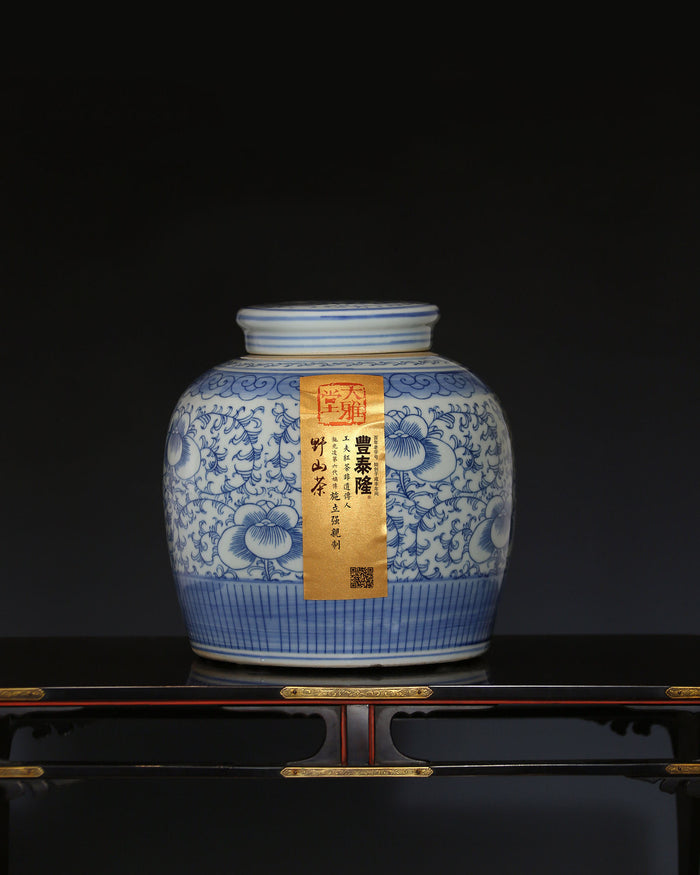
Chinese tea has been an essential part of Chinese culture for thousands of years. From imperial courts to family kitchens, tea is used for daily refreshment, hospitality, and traditional medicine. Today, Traditional Chinese tea is loved worldwide for its rich flavors, health benefits, and deep cultural roots.
In this guide, you’ll learn about the main types of Chinese tea, their benefits, how they are processed, and the best ways to brew them.
---
## A Brief History of Chinese Tea
China is widely considered the birthplace of tea. According to legend, tea was discovered over 4,000 years ago by Emperor Shen Nong when tea leaves accidentally fell into his pot of boiling water. By the Tang (618–907) and Song (960–1279) dynasties, tea culture was fully developed, with tea houses, tea ceremonies, and even tea poetry.
Over time, different regions of China began producing their own styles of tea, creating the diverse range we enjoy today: green, black, oolong, white, yellow, and dark (fermented) teas.
---
## Main Types of Chinese Tea
Chinese tea is generally classified by how the leaves are processed and how much they are oxidized. Each category offers a unique taste, aroma, and health profile.
### 1. Green Tea (Lǜ Chá)
Green tea is the least oxidized type of tea, keeping the leaves close to their natural state. It is known for its fresh, grassy, or nutty flavor and light green or yellow liquor.
**Famous Chinese Green Teas:**
- **Longjing (Dragon Well)** from Hangzhou, Zhejiang
- **Biluochun** from Jiangsu
- **Huangshan Maofeng** from Anhui
**Characteristics:**
- Color: Light green to yellow
- Taste: Fresh, vegetal, sometimes sweet and nutty
- Processing: Quickly pan-fired or steamed to stop oxidation, then shaped and dried
### 2. Black Tea (Hóng Chá, Literally “Red Tea” in Chinese)
What the world calls “black tea” is called “red tea” in Chinese, due to its reddish-brown infusion. Black tea is fully oxidized, resulting in a stronger flavor and darker color.
**Famous Chinese Black Teas:**
- **Keemun (Qimen Hongcha)** from Anhui
- **Dian Hong** from Yunnan
- **Lapsang Souchong (Zhengshan Xiaozhong)** from Fujian
**Characteristics:**
- Color: Deep red to dark brown
- Taste: Malty, rich, sometimes smoky or fruity
- Processing: Withered, rolled, fully oxidized, then dried
### 3. Oolong Tea (Wūlóng Chá)
Oolong is partially oxidized, sitting between green and black tea. It has an incredible range of flavors, from floral and creamy to roasted and fruity.
**Famous Chinese Oolong Teas:**
- **Tieguanyin** from Anxi, Fujian
- **Da Hong Pao (Big Red Robe)** from Wuyi Mountains
- **Phoenix Dancong** from Guangdong
**Characteristics:**
- Color: Golden to amber
- Taste: Complex—floral, honey-like, mineral, or roasted
- Processing: Withering, partial oxidation, rolling, and often charcoal roasting
### 4. White Tea (Bái Chá)
White tea is minimally processed and lightly oxidized. Made mostly from young leaves and buds, it is gentle, subtle, and slightly sweet.
**Famous Chinese White Teas:**
- **Baihao Yinzhen (Silver Needle)** from Fujian
- **Bai Mudan (White Peony)**
- **Shoumei**
**Characteristics:**
- Color: Pale yellow
- Taste: Light, sweet, floral, sometimes with notes of hay or honey
- Processing: Withered and dried with minimal intervention
### 5. Yellow Tea (Huáng Chá)
Yellow tea is rare and often considered a delicacy. It is similar to green tea but includes an extra step called “sealed yellowing,” which gives it a smoother, less grassy taste.
**Famous Chinese Yellow Teas:**
- **Junshan Yinzhen** from Hunan
- **Huoshan Huangya** from Anhui
- **Mengding Huangya** from Sichuan
**Characteristics:**
- Color: Yellow-gold
- Taste: Smooth, mellow, with light fruity or floral notes
- Processing: Slight oxidation and slow drying with a special smothering step
### 6. Dark Tea (Hēi Chá), Including Pu-erh
Dark tea is post-fermented, meaning it undergoes microbial fermentation after initial processing. Pu-erh is the most famous type of dark tea and can be aged for decades.
**Famous Chinese Dark Teas:**
- **Pu-erh (Puer)** from Yunnan, both raw (Sheng) and ripe (Shou)
- **Liu Bao** from Guangxi
- **Hunan Dark Tea**
**Characteristics:**
- Color: Deep brown to almost black
- Taste: Earthy, woody, sometimes sweet or smooth like aged wine
- Processing: Fermented and often compressed into cakes, bricks, or tuochas
---
## Health Benefits of Chinese Tea
While specific benefits vary by type, Chinese tea is generally rich in antioxidants, especially catechins and polyphenols. Some widely discussed benefits include:
1. **Supports Heart Health**
Regular tea consumption may help maintain healthy cholesterol and blood pressure levels.
2. **Aids Digestion**
Oolong and Pu-erh are often consumed after heavy meals in China to support digestion and reduce feelings of fullness.
3. **Helps with Weight Management**
Green tea, oolong, and Pu-erh are frequently associated with improved metabolism when combined with a healthy lifestyle.
4. **Antioxidant Protection**
Tea’s antioxidants help combat oxidative stress, which is linked to aging and various health issues.
5. **Calming Yet Alert Mental State**
The combination of caffeine and L-theanine in tea promotes alertness without the jitteriness often associated with coffee.
Note: Tea is not a medicine. Its health effects depend on overall diet and lifestyle, and it’s always wise to consult a professional for medical concerns.
---
China's ICH Tea - Curated Premium Teas from Origin | ICHTEA<br style="font-family: 'Noto Sans SC'; font-size: medium;" />Tea Ware Collection - Complete Teapots, Cups & Accessories | ICHTEA<br style="font-family: 'Noto Sans SC'; font-size: medium;" />Tea Moodscape - Curated Teas for Every Moment & Mood | ICHTEA<br style="font-family: 'Noto Sans SC'; font-size: medium;" />China National International Cultural Trade Base (Sanya)<br style="font-family: 'Noto Sans SC'; font-size: medium;" />Age-Defying AromaPrimeTea<br style="font-family: 'Noto Sans SC'; font-size: medium;" />Red Mudan Tea Gongfu Black Tea<br style="font-family: 'Noto Sans SC'; font-size: medium;" />Silver & Iron Tea Pots - Premium Teapots for Brewing & Collection | ICHTEA
## How Chinese Tea Is Processed
The flavor and character of Chinese tea come largely from how the leaves are treated after harvest. The key steps are:
1. **Withering** – Fresh leaves are spread out to lose moisture and become more pliable.
2. **Fixing (Shaqing)** – Heat is applied (pan-firing or steaming) to stop or slow oxidation, especially for green tea.
3. **Rolling or Shaping** – Leaves are rolled, twisted, or curled to shape them and release juices and enzymes.
4. **Oxidation** – For black and oolong teas, enzymes in the leaves react with oxygen, changing color and flavor.
5. **Drying** – Leaves are dried by baking, pan-firing, or sun-drying to stabilize and preserve them.
6. **Aging or Fermentation (Optional)** – Dark teas like Pu-erh may be aged and naturally fermented for months or years.
---
## How to Brew Chinese Tea Properly
Brewing Chinese tea correctly allows you to enjoy its full aroma and taste. Different teas need different water temperatures and steeping times.
### General Guidelines
- **Water Quality:** Use fresh, filtered water for the best flavor.
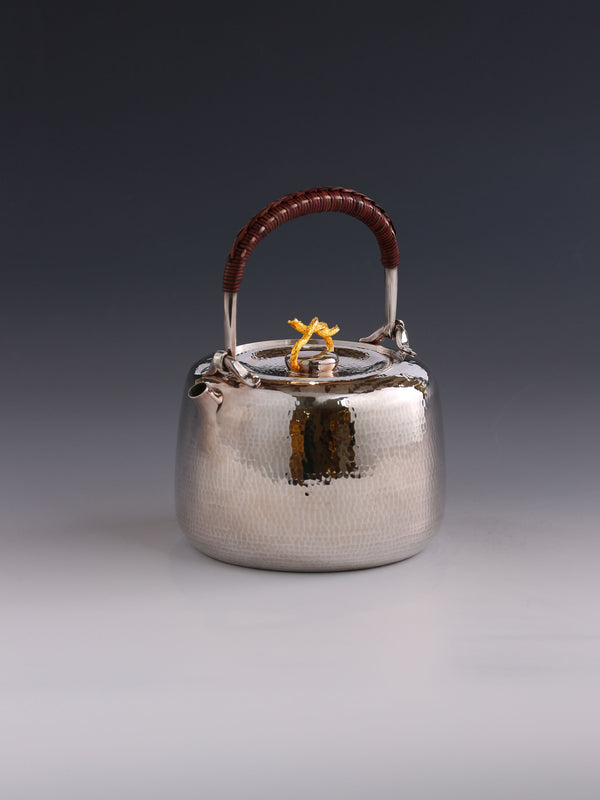
- **Teaware:** Gaiwan, Yixing clay teapot, or glass pot are commonly used for Chinese tea.
- **Leaf-to-Water Ratio:** Around 3–5 grams of tea per 150–200 ml of water is a good starting point.
### Recommended Temperatures and Times
- **Green Tea:**
- Water: 75–85°C (167–185°F)
- Time: 1–2 minutes
- **White Tea:**
- Water: 80–90°C (176–194°F)
- Time: 2–4 minutes
- **Yellow Tea:**
- Water: 80–85°C (176–185°F)
- Time: 2–3 minutes
- **Oolong Tea:**
- Water: 90–100°C (194–212°F)
- Time: 30–60 seconds (multiple short infusions)
- **Black Tea:**
- Water: 90–100°C (194–212°F)
- Time: 2–4 minutes
- **Pu-erh and Dark Tea:**
- Water: 95–100°C (203–212°F)
- Time: Rinse quickly once, then 10–30 seconds for the first infusion, increasing with each brew
Many Chinese teas can be steeped multiple times, with the flavor evolving from one infusion to the next.
---
## Chinese Tea Culture and Etiquette
Chinese tea is more than a drink; it is a cultural symbol of respect, harmony, and hospitality.
Common cultural aspects include:
- **Gongfu Tea Ceremony:**
Originating in Fujian and Guangdong, this “skillful brewing” method uses small teapots, many short infusions, and a careful focus on aroma and taste.
- **Serving Guests:**
Offering tea to guests shows welcome and respect. It is traditional to pour for others before pouring for yourself.
- **Tea and Family:**
In Chinese weddings, the bride and groom serve tea to parents and elders as a sign of gratitude and respect.
- **Tapping the Table:**
In some regions, people tap two fingers on the table when someone pours them tea, as a silent “thank you.”
---
## How to Choose Quality Chinese Tea
When buying Chinese tea, consider the following:
1. **Origin:**
Regions like West Lake (for Longjing), Wuyi (for rock oolongs), and Yunnan (for Pu-erh) are famous for high-quality tea.
2. **Appearance:**
- Leaves should look whole and uniform, not full of dust and broken pieces.
- Colors should match the tea type (e.g., vibrant green for fresh green tea).
3. **Aroma:**
- High-quality tea has a clean, distinct fragrance—floral, nutty, fruity, or roasted, depending on the type.
- Avoid teas that smell stale, smoky (without being a smoked tea like Lapsang), or musty (unless it is well-aged dark tea with a clean, earthy aroma).
4. **Reputable Sellers:**
Buy from specialized tea shops or trustworthy online vendors that provide harvest dates, origin, and storage information.
---
## Storing Chinese Tea
Proper storage helps maintain freshness and flavor:
- Keep tea away from light, heat, moisture, and strong odors.
- Use airtight containers made of tin, opaque glass, or ceramic.
- Store delicate teas (green, yellow, and most white teas) in cool, dry places; refrigerate if necessary in well-sealed packaging.
- Dark teas like Pu-erh can be stored in breathable packages and aged in a stable, odor-free environment.
---Tea Storage Racks & Display Bookcases - Organize Your Collection | ICHTEA
Buddha Statues for Tea Rooms & Meditation Spaces - Serene Décor | ICHTEA<br style="font-family: 'Noto Sans SC'; font-size: medium;" />Chinese Incense Ceremony Tools (Kōdō) & Accessories | ICHTEA<br style="font-family: 'Noto Sans SC'; font-size: medium;" />Ikebana & Flower Arranging Tools (Kadōgu) - Vases & Scissors | ICHTEA<br style="font-family: 'Noto Sans SC'; font-size: medium;" />Scholar's Rocks & Viewing Stones (Gongshi) for Meditation | ICHTEA
## Enjoying Chinese Tea at Home
You don’t need special equipment to start enjoying Chinese tea. Begin with:
- One or two high-quality teas: a green or oolong is a good start.
- A simple teapot or gaiwan.
- A bit of patience to experiment with water temperature and steep times.
Over time, you can explore more rare teas, different regions, and even learn gongfu tea brewing. Each new tea introduces a different side of Chinese history, geography, and craftsmanship.
---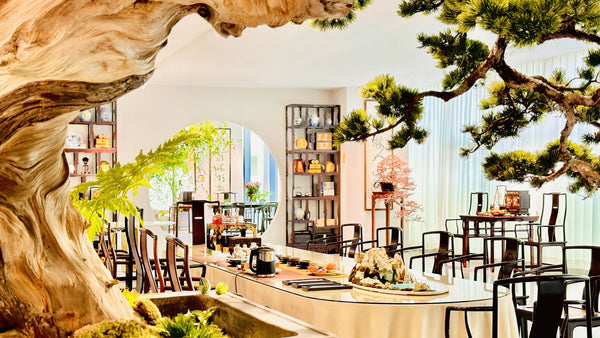
Chinese tea offers a world of flavor and tradition in every cup. Understanding its main types, benefits, and brewing methods helps you choose and enjoy tea more fully—Www.Ichtea.Com.
209.135.19.228
ichtea
ผู้เยี่ยมชม
ichtea@outlook.com