
ichtea
ผู้เยี่ยมชม
ichtea@outlook.com
The Complete Guide to Chinese Tea: Types, Culture, and Brewing Tips (5 อ่าน)
10 พ.ย. 2569 18:53

Chinese tea is one of the world’s oldest and most celebrated beverages. With thousands of years of history, rich cultural traditions, and an incredible variety of flavors, Chinese tea offers something for everyone—from casual drinkers to serious connoisseurs. This guide explains the main types of Chinese tea, their health benefits, cultural significance, and how to brew them properly.
## A Brief History of Chinese Tea
Tea originated in China more than 4,000 years ago. According to legend, Emperor Shen Nong discovered tea when leaves from a wild tea tree fell into his pot of boiling water. Over time, tea evolved from a medicinal drink into a daily beverage, a symbol of hospitality, and an important part of Chinese Incense Ceremony Tools (Kōdō) & Accessories | ICHTEA philosophy and art.
By the Tang (618–907) and Song (960–1279) dynasties, tea had become central to Chinese culture. Tea preparation, appreciation of aroma and flavor, and the aesthetics of teaware all developed into what is now known as Chinese tea culture. Today, Chinese tea is enjoyed worldwide and remains a key part of China’s social life and heritage.
## Main Types of Chinese Tea
Chinese tea is usually categorized by how it is processed. The level of oxidation, roasting, and fermentation creates very different flavors and aromas. The six main types are:
### 1. Green Tea (Lǜ Chá)
Green tea is the least oxidized type of tea. The leaves are quickly heated (pan-fired or steamed) to stop oxidation, preserving their green color and fresh taste.
**Features:**
- Color: Light green or yellow-green infusion
- Flavor: Fresh, grassy, vegetal, sometimes nutty or floral
- Popular varieties:
- **Longjing (Dragon Well)** from Hangzhou, famous for its flat leaves and chestnut-like aroma
- **Biluochun** from Jiangsu, with a delicate, fruity and floral scent
- **Huangshan Maofeng** from Anhui, known for its tender buds and light, sweet taste
### 2. Black Tea (Hóng Chá, literally “Red Tea”)
Chinese black tea is fully oxidized, giving it a deep reddish-brown liquor. It is richer and more robust than green tea.
**Features:**
- Color: Deep amber to reddish-brown
- Flavor: Malty, sweet, sometimes smoky or chocolatey
- Popular varieties:
- **Keemun (Qimen)** from Anhui, with wine-like notes and a slightly smoky aroma
- **Yunnan Dianhong**, known for its golden tips and smooth, honey-like sweetness
- **Lapsang Souchong**, a pine-smoked black tea with an intense smoky flavor
### 3. Oolong Tea (Wūlóng Chá)
Oolong tea is partially oxidized and can range from light and floral to dark and roasted. It combines characteristics of both green and black teas.
**Features:**
- Color: From light yellow to deep amber
- Flavor: Complex; can be floral, fruity, creamy, or roasted
- Popular varieties:
- **Tie Guan Yin (Iron Goddess of Mercy)** from Anxi, famous for its orchid fragrance and smooth, creamy taste
- **Da Hong Pao (Big Red Robe)** from Wuyi, with mineral, roasted, and rock-like “yan yun” flavors
- **Dong Ding** from Taiwan (in the broader Chinese tea tradition), known for its sweet, roasted character
### 4. White Tea (Bái Chá)
White tea is minimally processed. The young leaves and buds are simply withered and dried, keeping them very close to their natural state.
**Features:**
- Color: Pale yellow or light golden infusion
- Flavor: Delicate, sweet, mellow, sometimes with a light honey or hay note
- Popular varieties:
- **Baihao Yinzhen (Silver Needle)** made only from buds, prized for its subtle sweetness
- **Bai Mudan (White Peony)** made from buds and leaves, fuller-bodied but still gentle
### 5. Yellow Tea (Huáng Chá)
Yellow tea is similar to green tea but includes an extra step called “sealed yellowing,” where the leaves are lightly steamed and wrapped to allow slight oxidation.
**Features:**
- Color: Yellowish infusion
- Flavor: Mellow, smooth, less grassy than green tea, slightly sweet
- Popular varieties:
- **Junshan Yinzhen** from Hunan, rare and historically prestigious
- **Huangshan Maofeng (Yellow version)** and other regional specialties
### 6. Dark Tea / Fermented Tea (Hēi Chá)
Dark tea is post-fermented, meaning it undergoes microbial fermentation after the initial processing. The most famous type of dark tea is Pu-erh.
**Features:**
- Color: Deep red to dark brown
- Flavor: Earthy, woody, sometimes sweet and mellow, improves with age
- Popular varieties:
- **Pu-erh (Puer)** from Yunnan, available as:
- **Sheng (Raw) Pu-erh** – naturally aged, more astringent when young, complex and smooth when matured
- **Shou (Ripe) Pu-erh** – artificially fermented for a darker, mellow, earthy taste
## Health Benefits of Chinese Tea
China National International Cultural Trade Base (Sanya)<br style="font-family: 'Noto Sans SC'; font-size: medium;" />Premium Black Tea Collection | Lapsang, Keemun, Assam & Ceylon<br style="font-family: 'Noto Sans SC'; font-size: medium;" />Premium Green Tea Collection | Japanese & Chinese Loose Leaf | ICHTEA<br style="font-family: 'Noto Sans SC'; font-size: medium;" />Rare White Tea Collection | Silver Needle, White Peony & Shou Mei<br style="font-family: 'Noto Sans SC'; font-size: medium;" />Wuyi Rock Tea (Yancha) | Da Hong Pao, Shui Xian, Rou Gui | ICHTEA<br style="font-family: 'Noto Sans SC'; font-size: medium;" />Authentic Pu'er Tea Collection | Raw (Sheng) & Ripe (Shou) | ICHTEA<br style="font-family: 'Noto Sans SC'; font-size: medium;" />Artisan Oolong Tea Collection | Taiwanese, Fujian & Wuyi | ICHTEA<br style="font-family: 'Noto Sans SC'; font-size: medium;" />Authentic Tibetan Tea (Brick & Butter Tea) | Ya'an & Kangding | ICHTEA
While individual results vary, many studies and traditional beliefs suggest that Chinese tea can offer several potential benefits when consumed regularly as part of a healthy lifestyle.
Commonly cited benefits include:
- **Rich in antioxidants**: Especially catechins and polyphenols that may help combat oxidative stress.
- **Support for heart health**: Some research links regular tea drinking to better cardiovascular markers.
- **Aid for digestion**: Dark teas like Pu-erh and oolong are often consumed after heavy meals in China.
- **Gentle energy boost**: Tea contains caffeine, but usually less than coffee, often combined with L-theanine for a calmer focus.
- **Hydration and calorie-free**: When consumed without sugar or milk, tea is a low-calorie drink.
Tea is not a medicine, and it should not replace professional medical treatment. People sensitive to caffeine or with specific health conditions should consult a healthcare provider.
## Chinese Tea Culture and Traditions
Chinese tea is more than a drink; it is a way of life. Tea represents hospitality, respect, harmony, and mindfulness.
### Tea in Daily Life
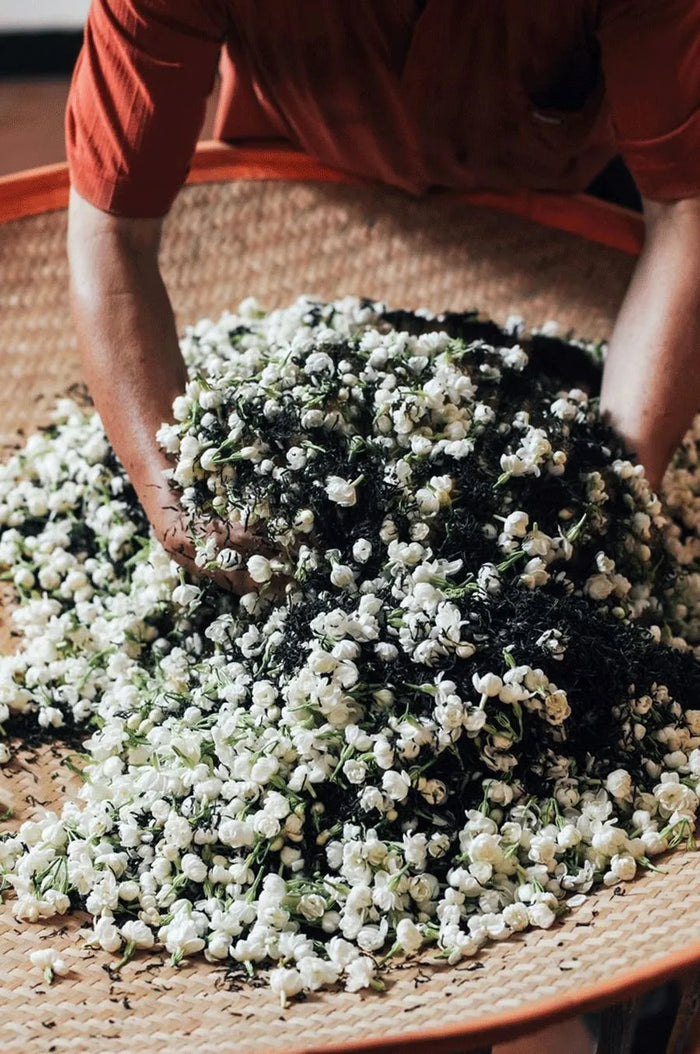
In many Chinese homes, offering tea is a natural way to welcome guests. It is also common in business meetings and social gatherings. Different teas are chosen based on the season, mood, and occasion—for example, lighter green teas in spring and stronger dark teas in winter.
### Gongfu Tea Ceremony
The **Gongfu Cha** (Kung Fu tea) brewing style highlights skill and precision. It uses small teapots (often Yixing clay) or gaiwan (lidded bowls), many short infusions, and careful attention to water temperature and timing. This method allows the drinker to experience the evolving flavor of the tea over multiple brews.
Key elements include:
- Evaluating the dry leaves’ aroma
- Rinsing and awakening the leaves
- Pouring quickly and evenly
- Appreciating the liquor’s color, aroma, and taste with each infusion
### Symbolism of Tea
In Chinese tradition, tea can symbolize:
- **Respect**: Young people serve tea to elders at family gatherings and weddings.
- **Gratitude**: Serving tea can be a way to express thanks or apology.
- **Harmony**: Tea gatherings create a calm atmosphere for conversation and reflection.
## How to Brew Chinese Tea Properly
Brewing temperature, tea quantity, and time strongly influence the taste. While methods can be very refined, you can achieve good results at home with a few simple guidelines.
### General Brewing Principles
- **Water quality**: Use fresh, clean, preferably soft water. Avoid heavily chlorinated water if possible.
- **Water temperature**:
- Green and yellow tea: 70–85°C (160–185°F)
- White tea: 80–90°C (175–195°F)
- Oolong: 85–95°C (185–205°F)
- Black and dark tea: 90–100°C (195–212°F)
- **Tea-to-water ratio**:
- Western style (large teapot/cup): ~2–3 g per 250 ml (8 oz)
- Gongfu style (small pot/gaiwan): 5–7 g per 100–150 ml
- **Steeping time**:
- Green, yellow: 30 seconds to 2 minutes (avoid bitterness)
- White: 1–3 minutes
- Oolong: 20–60 seconds per infusion, multiple infusions
- Black: 2–4 minutes
- Dark/Pu-erh: Rinse first; then 10–30 seconds gongfu style or 2–4 minutes Western style
Adjust to taste: shorter time or cooler water for less bitterness; longer or hotter for stronger flavor.
### Basic Brewing Steps (Simple Method)
1. **Warm the teaware**: Pour in hot water, then discard.
2. **Add tea leaves**: Measure the tea and place it in the teapot or infuser.
3. **Pour water**: Use the appropriate temperature for the tea type.
4. **Steep**: Count the time carefully.
5. **Strain and serve**: Pour all the tea out to avoid over-steeping, then enjoy.
6. **Re-steep**: Most Chinese teas can be brewed multiple times; adjust the time slightly longer with each infusion.
## Famous Tea Regions in China
China’s diverse climate and geography produce many unique regional teas. Some important tea-producing areas include:
- **Zhejiang**: Home of Longjing (Dragon Well) green tea near West Lake.
- **Fujian**: Known for Tie Guan Yin oolong, Wuyi rock oolongs, and white teas.
- **Yunnan**: Birthplace of tea trees and famous for Pu-erh and Dianhong black tea.
- **Anhui**: Produces Keemun black tea and Huangshan Maofeng green and yellow teas.
- **Guangdong**: Known for Phoenix Dancong oolong with complex floral and fruity aromas.
Each region’s soil, altitude, and climate—known as terroir—affect the tea’s final character.
## How to Choose Quality Chinese Tea
When buying Chinese tea, focus on freshness, appearance, and aroma.
- **Look**: Leaves should be whole or mostly whole, not full of dust and broken bits. The color should match the tea type: vibrant green for fresh green tea, shiny dark leaves for Pu-erh, and so on.
- **Smell**: A good tea smells clean and lively. Avoid teas with musty, chemical, or stale odors (unless you are specifically buying aged dark tea or Pu-erh with a known aging profile).
- **Source**: Purchase from reputable vendors, especially when buying premium or rare teas. Clear information about origin, harvest season, and storage is a good sign.
- **Packaging**: Tea should be well-sealed, away from light, moisture, and strong smells.
## Storing Chinese Tea
Proper storage helps preserve flavor and aroma:
Japanese Lacquerware Tea Caddies - Handcrafted Tea Storage | ICHTEA<br style="font-family: 'Noto Sans SC'; font-size: medium;" />Tea Scoops & Spoons - Bamboo, Wood & Stainless Steel | ICHTEA<br style="font-family: 'Noto Sans SC'; font-size: medium;" />Tea Storage Containers - Airtight Tins, Jars & Canisters | ICHTEA<br style="font-family: 'Noto Sans SC'; font-size: medium;" />Utility Vessels & Kensui for Tea Ceremony | Waste Water Bowls<br style="font-family: 'Noto Sans SC'; font-size: medium;" />Tea Trays & Cup Coasters (Chaban, Chadai) - Drip Catchers & Sets | ICHTEA
- Keep tea in an airtight, opaque container.
- Store in a cool, dry place, away from sunlight, heat, and strong odors (like spices or coffee).
- For most green and lightly processed teas, consume them within 6–12 months for best freshness.
- Some dark teas and Pu-erh can be aged intentionally in a controlled environment to develop richer flavors over time.
## Enjoying Chinese Tea at Home
You do not need special equipment to enjoy Chinese tea, but a few tools can enhance the experience:
- **Teapot or gaiwan**
- **Small cups** to appreciate color and aroma
- **Kettle with temperature control** if possible
- **Tea tray** (for gongfu style) to handle spills
- **Tea scoop and scale** (optional, for precision)
Start simple with one or two classic teas, learn their flavors and brewing needs, then explore other types and regions.
## Conclusion
6 types of Chinese tea is a rich world of taste, history, and culture. From the fresh notes of Longjing green tea to the deep, earthy character of aged Pu-erh, every type offers a unique experience. By understanding the main tea categories, learning basic brewing techniques, and appreciating the traditions behind them, you can enjoy Chinese tea at its best—whether you are a beginner or an enthusiast looking to expand your knowledge.
209.135.19.228
ichtea
ผู้เยี่ยมชม
ichtea@outlook.com