
shell
Guest
benducket3211@gmail.com
Are Fire Pipes the Hidden Backbone of Modern Fire Protection Systems? (5 views)
16 May 2026 03:15
Fire pipes play a fundamental role in modern fire protection systems, acting as the essential network that delivers water or fire suppression agents throughout buildings during emergencies, fire pipes In today’s construction and infrastructure development, fire safety is not complete without a properly engineered fire pipe system. These pipes are installed in residential buildings, commercial complexes, industrial plants, warehouses, and high-rise structures to ensure immediate response in case of fire outbreaks.
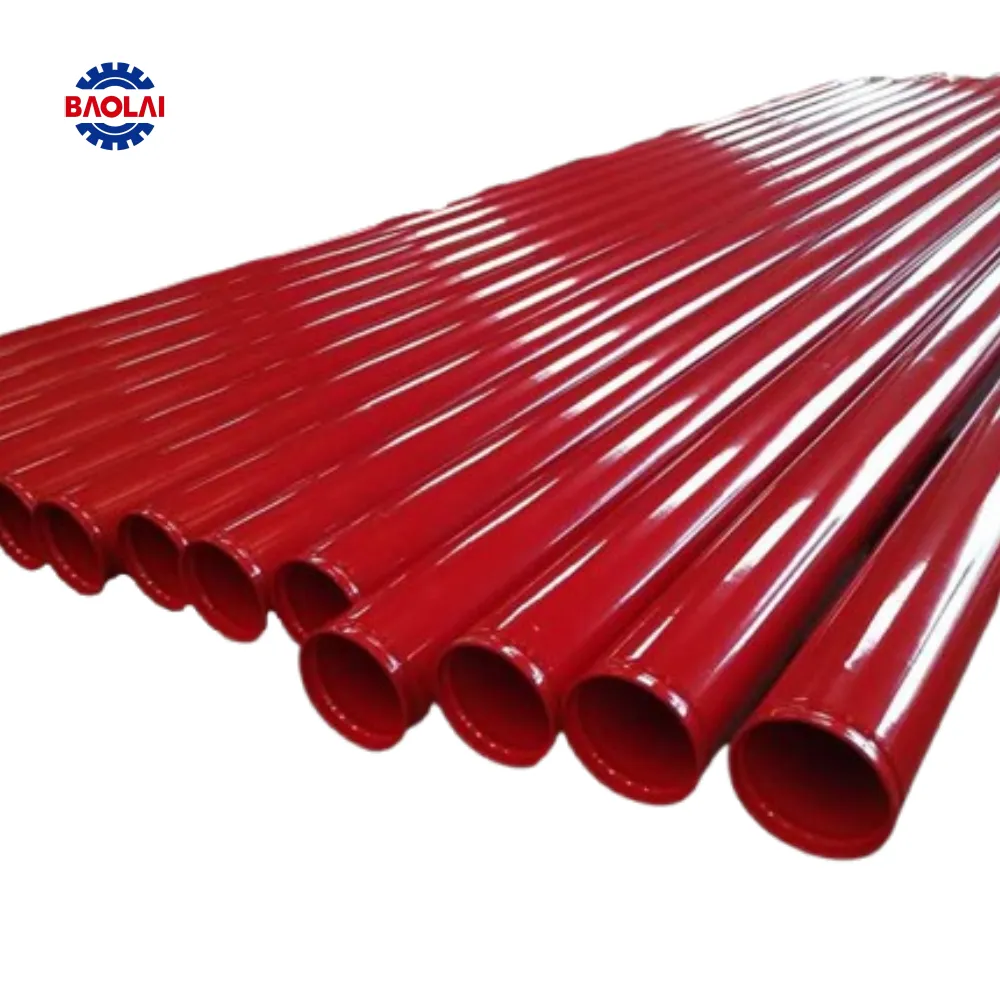
A fire pipe system is designed to transport water from a central supply source to various fire protection outlets such as sprinklers, hydrants, and standpipes. When a fire occurs, the system activates automatically or manually depending on the design, allowing water to flow through the piping network instantly. This rapid distribution of water helps control or extinguish fire at an early stage, significantly reducing damage and improving safety.
Fire Pipes in Modern Building Infrastructure
Fire pipes are an integral part of modern building infrastructure and are widely used in nearly every type of construction project. From residential apartments to large industrial facilities, fire piping systems are installed to ensure continuous fire protection coverage. These systems are usually concealed within walls, ceilings, and service shafts to maintain both functionality and building aesthetics.
The fire pipe network connects to a central water supply system, which may include fire pumps, storage tanks, and control valves. Once activated, water flows through the fire piping system to reach sprinkler heads or hydrants located throughout the building. This ensures that fire suppression begins immediately, even before emergency responders arrive on site.
In commercial and industrial environments, fire pipes are especially critical because fire hazards are often higher due to machinery, electrical systems, or large occupancy levels. Proper fire pipe installation ensures compliance with building safety regulations and reduces the risk of catastrophic fire damage. International fire safety codes such as NFPA standards and local building regulations mandate the use of fire pipe systems in most modern structures.
Fire Pipe Materials and Engineering Standards
The performance of fire pipes depends heavily on the materials used in their construction. Steel fire pipes are the most commonly used due to their high strength, durability, and ability to withstand extreme pressure conditions. These pipes are ideal for large commercial and industrial fire protection systems where reliability is essential.
Galvanized steel fire pipes are also widely used because they offer enhanced corrosion resistance. The protective zinc coating helps prevent rust and extends the lifespan of the piping system, especially in humid or moisture-prone environments. Copper fire pipes are used in specialized applications where smooth internal surfaces and high corrosion resistance are required to maintain optimal water flow.
In recent years, CPVC fire pipes have gained popularity in residential and light commercial fire sprinkler systems. These pipes are lightweight, cost-effective, and easy to install, making them suitable for modern housing projects. CPVC fire piping systems are also resistant to scaling and corrosion, ensuring long-term performance with minimal maintenance.
Fire pipe systems must comply with strict engineering and safety standards such as NFPA 13, ASTM specifications, and other international fire protection codes. These standards define requirements for pipe thickness, pressure tolerance, material quality, and installation procedures. Compliance ensures that fire piping systems perform reliably under emergency conditions and meet regulatory approvals.
Equally important are the fittings, couplings, and joints used in fire pipe systems. Welded, threaded, and grooved connections must be installed with precision to ensure leak-free performance. Even a small defect in a joint can compromise the entire fire protection system during critical situations.
Fire Pipe System Design and Water Flow Efficiency
The design of a fire pipe system requires detailed hydraulic analysis and careful planning to ensure efficient water distribution. Engineers design fire piping networks to minimize pressure loss and ensure that water reaches all connected outlets with sufficient force. A properly designed fire pipe layout ensures that every part of the building receives adequate fire protection coverage.
In large buildings, fire pipe systems are divided into zones to improve efficiency and control. This zoning approach ensures that only the affected area activates during a fire, reducing unnecessary water usage and preventing damage to unaffected sections. Each zone is carefully engineered to maintain balanced pressure and consistent water flow.
The performance of fire pipes also depends on the water supply system and fire pump capacity. Fire pumps are designed to maintain steady pressure throughout the piping network, ensuring that water reaches upper floors in high-rise buildings without loss of efficiency. Hydraulic balancing is a critical factor in ensuring that fire pipe systems function effectively under emergency conditions.
Modern fire protection systems are also incorporating advanced monitoring technologies that detect pressure drops, leaks, or blockages within the fire pipe network. These smart systems improve reliability by providing real-time feedback and ensuring that the fire piping system is always ready for operation.
Fire Pipe Maintenance and Long Term Performance
The long-term performance of fire pipes depends on proper maintenance and regular inspection. Over time, fire piping systems may be affected by corrosion, sediment buildup, or mechanical wear. Routine maintenance ensures that these issues are identified early and corrected before they impact system performance.
Corrosion is one of the most common challenges in steel fire pipe systems. Protective coatings and galvanization help reduce this risk, but regular inspections are still necessary to maintain system integrity. Periodic water flow testing is also conducted to ensure that fire pipes remain clear and capable of delivering adequate pressure during emergencies.
Maintenance also includes checking valves, joints, and sprinkler connections for leaks or damage. Pressure testing is used to verify the overall strength and reliability of the fire pipe system. In industrial environments where fire risks are higher, maintenance schedules are more frequent and strictly regulated to ensure maximum safety.
Environmental conditions such as humidity, temperature fluctuations, and chemical exposure can also affect fire pipe durability. Proper installation techniques, including secure mounting and correct alignment, help reduce stress on the piping system and extend its operational lifespan.
Conclusion Fire Pipes as a Critical Safety Infrastructure
Fire pipes are a vital component of modern fire protection systems, forming the backbone of safe and efficient fire suppression networks. Their ability to deliver rapid water flow during emergencies makes them essential in protecting lives, property, and infrastructure across residential, commercial, and industrial environments.
From material selection and system design to installation standards and maintenance practices, every aspect of a fire pipe system contributes to its overall effectiveness. As building technologies continue to advance, the demand for reliable and durable fire piping systems continues to grow.
43.242.176.119
shell
Guest
benducket3211@gmail.com