
shell
ผู้เยี่ยมชม
benducket3211@gmail.com
Choosing Acetal or Delrin for CNC Parts: Which Material Delivers the Best Precision and Performance? (104 อ่าน)
26 ก.ค. 2569 13:40
Selecting the right engineering plastic is one of the most important decisions in CNC machining. Material selection directly affects machining accuracy, component durability, production efficiency, and long-term performance. When manufacturers begin choosing acetal or Delrin for CNC parts, they often discover that both materials offer outstanding mechanical properties, excellent machinability, and impressive dimensional stability. However, understanding their unique strengths helps ensure the best material is selected for every application.
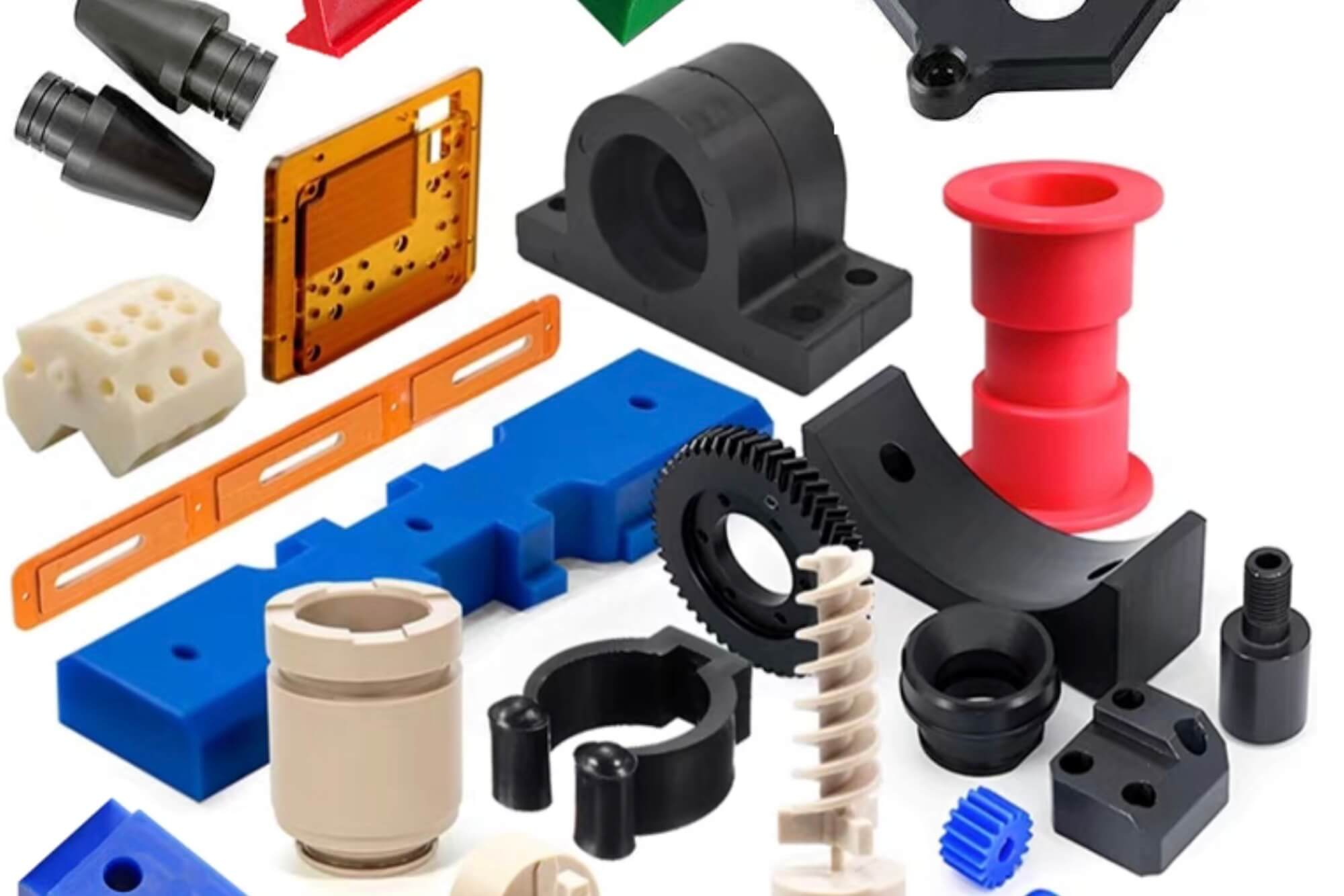
Acetal is a family of polyoxymethylene (POM) engineering plastics widely used in precision manufacturing because of its low friction, high strength, excellent wear resistance, and moisture stability. Delrin is a premium acetal homopolymer developed by DuPont that provides enhanced mechanical performance and superior rigidity. Since Delrin belongs to the acetal family, the decision often involves comparing acetal copolymer with Delrin homopolymer rather than two completely different materials.
Understanding the factors involved in choosing acetal or Delrin for CNC parts is essential for industries such as automotive manufacturing, aerospace engineering, robotics, industrial automation, medical equipment, electronics, food processing, and custom precision machining. Selecting the appropriate material improves product quality, extends service life, and helps reduce maintenance and production costs.
Material Performance and Machining Accuracy
The process of choosing acetal or Delrin for CNC parts begins by evaluating their mechanical characteristics and machining behavior. Both materials are known for excellent machinability, allowing manufacturers to produce complex precision components with tight tolerances and smooth surface finishes.
Delrin offers higher tensile strength, greater stiffness, increased hardness, and improved fatigue resistance because of its homopolymer molecular structure. These properties make it particularly suitable for components exposed to continuous mechanical loads, repetitive movement, and demanding structural conditions. During CNC machining, Delrin maintains excellent dimensional accuracy and resists deformation, allowing intricate parts to be produced with exceptional consistency.
Acetal copolymer also delivers outstanding machining performance while providing enhanced chemical resistance and improved moisture stability. It cuts cleanly, produces consistent chip formation, and maintains precise dimensions throughout the machining process. Manufacturers appreciate its balanced combination of mechanical strength and environmental resistance, particularly when producing components designed for humid or chemically demanding operating conditions.
Both materials feature naturally low friction and excellent wear resistance. These characteristics reduce tool wear during machining while improving the operational efficiency of finished components. Precision gears, bushings, bearings, rollers, valve seats, conveyor components, and custom-machined industrial parts all benefit from these exceptional material properties.
Dimensional stability is another major advantage. Both engineering plastics absorb very little moisture, allowing CNC-machined components to maintain accurate dimensions even after prolonged exposure to changing environmental conditions.
Industrial Applications and Manufacturing Benefits
A complete understanding of choosing acetal or Delrin for CNC parts requires evaluating the industries and applications where each material performs best. Both materials have become standard choices in precision manufacturing because they combine lightweight construction with exceptional mechanical durability.
Delrin is commonly selected for demanding mechanical applications where maximum strength and fatigue resistance are essential. Automotive manufacturers use Delrin for transmission components, fuel system parts, mechanical gears, and structural assemblies. Aerospace companies also value Delrin because it provides excellent strength while reducing overall component weight, improving system efficiency and reliability.
Acetal copolymer is frequently preferred for equipment exposed to moisture, industrial chemicals, cleaning agents, and continuous sanitation procedures. Food processing machinery, pharmaceutical equipment, laboratory devices, medical instruments, industrial pumps, and fluid handling systems often incorporate acetal copolymer because of its excellent resistance to hydrolysis and chemical degradation.
Manufacturing efficiency is another important factor when selecting materials. Both acetal and Delrin support high-speed CNC machining with excellent surface finishes, reducing the need for secondary finishing operations. Their low cutting resistance minimizes machining time while extending cutting tool life, helping manufacturers improve productivity and reduce production costs.
Cost also influences material selection. Acetal copolymer generally provides a more economical solution while still offering excellent engineering performance. Delrin typically carries a higher price because of its superior mechanical properties and premium brand reputation. Manufacturers often balance these factors by matching material performance to the specific demands of each project.
Environmental Conditions and Long-Term Reliability
When choosing acetal or Delrin for CNC parts, engineers must also consider the operating environment in which the finished component will function. Material performance after machining is just as important as machining performance itself.
Delrin performs exceptionally well in dry operating environments where high stiffness, structural strength, and fatigue resistance remain the primary design priorities. Components subjected to repeated loading or continuous mechanical movement maintain excellent structural integrity throughout extended service periods. This makes Delrin ideal for robotics, automation systems, industrial machinery, and precision mechanical assemblies.
Acetal copolymer demonstrates superior resistance to moisture, chemicals, and thermal oxidation. Components operating in wet environments or exposed to industrial cleaning processes often achieve longer service life when manufactured from acetal copolymer. Food production facilities, medical equipment manufacturers, water treatment plants, and chemical processing industries frequently choose acetal because it maintains reliable mechanical performance even under challenging environmental conditions.
Both materials provide outstanding resistance to wear, oils, fuels, lubricants, and many industrial solvents. Their low coefficient of friction reduces energy consumption while minimizing wear between moving components. These characteristics improve equipment efficiency, reduce maintenance requirements, and extend operational lifespan.
Electrical insulation is another shared advantage. Both engineering plastics are widely used for electrical connectors, insulating components, switch housings, sensor parts, and electronic assemblies because they combine dependable mechanical performance with excellent electrical insulating properties.
Material Selection for Precision CNC Manufacturing
Modern manufacturing increasingly relies on lightweight engineering plastics to replace heavier metal components while maintaining strength and durability. Understanding the process of choosing acetal or Delrin for CNC parts allows manufacturers to optimize production efficiency and improve product performance.
Projects requiring maximum mechanical strength, exceptional rigidity, and superior fatigue resistance often benefit from Delrin. Its ability to maintain dimensional accuracy during machining and throughout long-term service makes it highly suitable for demanding industrial applications where precision is critical.
Applications involving chemical exposure, moisture, sanitation, or varying environmental conditions generally perform better with acetal copolymer. Its enhanced chemical stability and resistance to hydrolysis allow precision components to maintain consistent performance throughout extended operating periods.
Industries including industrial automation, electric vehicle manufacturing, aerospace engineering, medical technology, robotics, consumer electronics, and advanced CNC machining continue expanding their use of both materials because they offer excellent machinability, outstanding dimensional stability, long-term reliability, and reduced maintenance costs.
By evaluating mechanical requirements, environmental conditions, machining efficiency, and production objectives, engineers can confidently select the engineering plastic that provides the best balance of performance, durability, and manufacturing value.
Conclusion
Choosing acetal or Delrin for CNC parts depends on understanding the performance requirements of the final application rather than identifying one material as universally superior. Delrin provides higher tensile strength, greater stiffness, and exceptional fatigue resistance, making it an excellent option for demanding mechanical components. Acetal copolymer offers outstanding chemical resistance, superior moisture stability, excellent dimensional accuracy, and dependable long-term performance in challenging industrial environments. By carefully matching material properties with application needs, manufacturers can improve machining efficiency, extend component lifespan, reduce maintenance costs, and achieve consistently high-quality CNC-machined parts across a wide range of engineering industries.
43.242.176.24
shell
ผู้เยี่ยมชม
benducket3211@gmail.com